


The Next Commodity Super-cycle Won't Be Driven by Oil It Will Be Driven by Minerals

Artificial intelligence, electrification and modern infrastructure all depend on one thing: critical minerals. As demand continues to grow across multiple industries, investors may want to look beyond the companies building the future and toward those supplying the materials that make it possible.
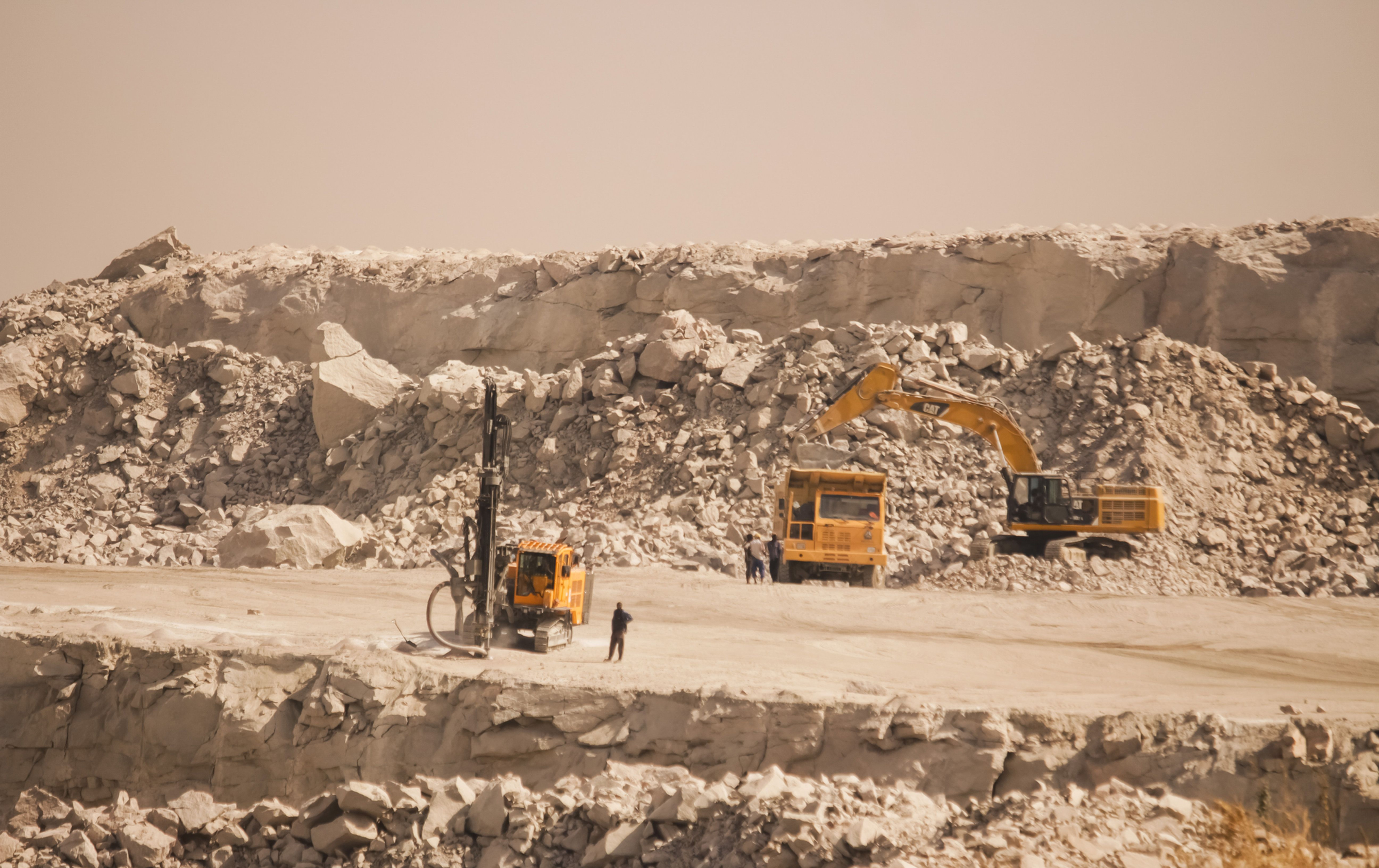
For decades, oil has been the commodity that powered the global economy.
But as artificial intelligence, electrification and modern infrastructure reshape industries, a different group of resources is moving into the spotlight.
Copper, uranium, silver and rare earth elements are becoming increasingly essential to the technologies driving the next phase of economic growth. While they rarely generate the same attention as AI companies or electric vehicle makers, they form the foundation that makes those industries possible.
For investors, that could make critical minerals one of the defining long-term themes of the coming decade.
One trend is powerful. Several trends are transformative.
Commodity booms are often driven by a single major shift. China's industrial expansion fuelled demand for iron ore and coal. The shale revolution transformed the energy market.
Today's story is different.
Artificial intelligence requires enormous data centres packed with electrical equipment. Electricity grids are being expanded and modernised. Electric vehicles continue to gain market share. Nuclear power is attracting renewed investment, while robotics, advanced manufacturing and defence technologies all require increasing amounts of specialised materials.
Individually, each of these industries creates demand for critical minerals. Together, they create a powerful structural trend that could last for years.
Few materials illustrate this better than copper.
Often called the metal of electrification, copper is found in power grids, AI data centres, electric vehicles, charging infrastructure, industrial automation and renewable energy projects. As electricity demand continues to rise, so too does the need for one of the world's most versatile industrial metals.
The same pattern can be seen across other critical minerals.
Uranium is benefiting from renewed interest in nuclear energy as countries search for reliable sources of electricity. Rare earth elements remain essential for the powerful magnets used in electric motors and advanced technologies, while silver continues to play an important role in electronics and solar power.
The common thread is simple. Many of the technologies expected to shape the global economy rely on materials that must first be mined, processed and refined.
Demand can grow quickly. Supply usually can't. One of the biggest challenges facing the mining industry is time.
Bringing a new mine into production can take more than a decade, requiring exploration, environmental approvals, financing and construction before a single tonne of material is produced.
That means supply often struggles to keep pace when demand accelerates.
For investors, this matters because even moderate supply shortages can have a significant impact on commodity markets over the long term. The opportunity goes beyond mining companies. Investing in critical minerals isn't simply about owning mining stocks.
The companies that build mining equipment, process raw materials, develop recycling technologies and earn royalties from mineral production all play important roles in the supply chain. As demand grows, many of these businesses could benefit alongside the miners themselves.
That gives investors multiple ways to gain exposure to one of the world's fastest-growing industrial themes.
The investor takeaway
Commodity prices will always rise and fall with economic cycles.
But the bigger picture is becoming increasingly clear. Artificial intelligence needs more computing power. Computing power needs more electricity. Electricity requires larger grids, new infrastructure and reliable energy generation. Almost every step of that chain depends on critical minerals.
The technologies shaping tomorrow's economy cannot exist without the resources beneath our feet. For years, investors have focused on the companies building the future. The next opportunity may lie with the industries supplying the materials that make that future possible.


Comments